
Choosing Between the Users and Quality for Your Mobile App
A founder's account of building CineApp, our first product, and the tradeoffs between shipping what users want and shipping what's right, in a market with no soft landings.
I started programming in 2012 and moved into mobile development in 2013, mostly on Android. One of the first things I learned, of course, was the "Hello World" project: just some text on a screen. That alone gave me joy, because I knew it was the beginning of long hours of code and late nights of debugging to build a product. I moved on to more interesting practice projects, working with lists and databases, but the real challenge came once I started working on client projects, and later, school projects.
A new chapter opened when I joined a startup incubator at Makerere University (Global Business Labs) under a company called Sasula Uganda, a retail and e-commerce business connecting businesses to consumers. In my first week I got the initial orientation and a good sense of how the company operated. One of the main challenges was that businesses wanted sales flying in every day before they'd even think about giving us a cut, while most consumers were still stuck in their routine of going straight to business centers. There was even a stretch where we, the developers, had to go out onto the streets to advertise our services, with a bonus if we could convert a sale.
A year later, I moved on to start my own company alongside my business partners, and we launched our flagship product, CineApp, which got 50 downloads in its first 15 days. I noticed a few challenges in its production, and things didn't get any easier once it went live on the Google Play Store.
Users are never satisfied
Our first release was more like a beta for us. We wanted people's opinions on what would make the app better, but in our effort to keep the app's data consumption as low as possible, it couldn't refresh because the information was already cached. People's first impulse was to uninstall, while the loyal ones stuck with us and gave us a chance to set it right. The ugly truth is users will keep wanting more, and the more users or downloads you get, the longer your to-do list grows, along with your error logs.
Worry about today and live to fight another day
We all have big plans and ambitions for what we want our app to be, and sometimes we get ahead of ourselves. We spend too much time developing the perfect app and end up losing the competitive advantage, and sometimes our impatient customers along with it. I'm a sucker for perfection, but a friend once told me, "You don't have to release a perfect product, because otherwise there'd be no need for the option to update your app." All you need is the minimum viable product that's acceptable to consumers. (Something my lecturers kept reminding us about in the so-called software development life cycle: the prototyping model, the waterfall model, and so on.)
Need to keep giving better
Ten years ago, Facebook was just this thing used by teenagers, college students, and a few tech-minded people. Now it's the go-to marketing platform for businesses, and there are even rumors of it becoming a job recruitment platform for companies. You can't get comfortable at your level, because some kid in his dorm room can wake up one day and build a product that blows yours out of the water. Our most recent update introduced a major upgrade to our animations module, but that risked losing every user on an Android version below 4.0.
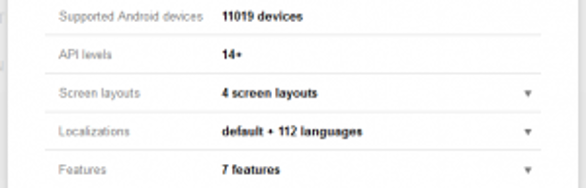
Question is: what do you do when you're torn between giving users something better and risking losing some of them?
The money factor
We've all read TechCrunch, or at least heard the news, but what we sometimes forget is that we live in a completely different ecosystem. I live in Uganda, East Africa, and I got a complete wake-up call once I saw what the streets actually had in store for me. For starters, if you're lucky enough to get into an incubator, you either pay for your space or give up a huge chunk of your company's shares in return for the resources on offer. Companies like Google had venture capitalists and investors knocking at their door before the company was even registered, while in Uganda, you can have an amazing idea and, best case, get noticed and end up featured in the media for a while, and a year later nobody remembers who you are. I had my own share of knocking on doors, and one thing's for sure: in my country, investors want to come in once you've proven your product can generate income. The catch is, if my business is thriving, why would I want to sell a chunk of my company to someone who's only thinking about how many more digits he's adding to his bank account?
I made a lot of mistakes along the way, but I try to learn from every opportunity I get. I'm not perfect, but if I can look back a year from today and smile, that's enough for me.